Executive Team
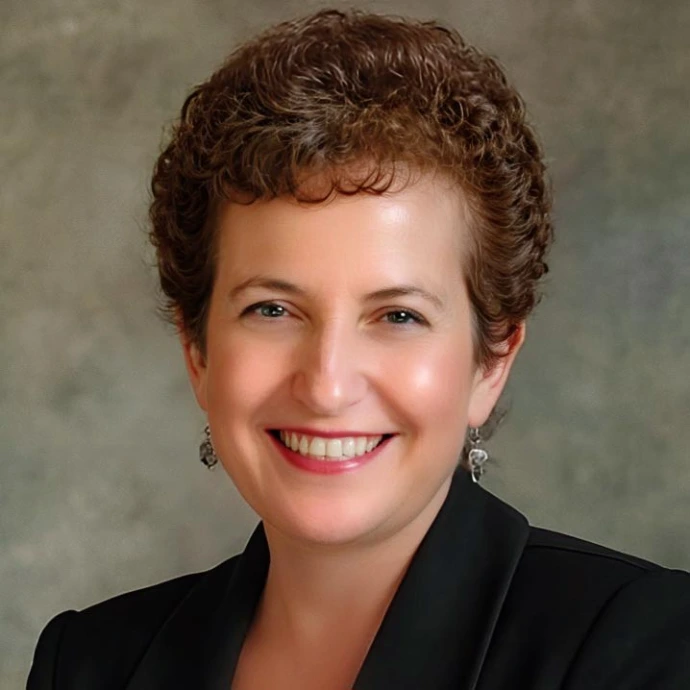
Former Director, Office of Health Technology 1, Ophthalmic, Anesthesia, Respiratory, ENT, and Dental Devices, Center for Devices and Radiological Health (CDRH), US Food and Drug Administration.
Malvina Eydelman, MD, EXECUTIVE CHAIR
Dr. Malvina Eydelman is President and CEO of Salution Nexus and Executive Chair of the Board of Directors of the Collaborative Community on Ophthalmic Innovation (CCOI). Over three decades at the U.S. FDA, she shaped the full medical product lifecycle across multiple specialties, from early innovation and clinical evaluation through regulatory review, quality oversight, and postmarket surveillance. She pioneered regulatory pathways for first-in-class technologies including AI diagnostics, bioelectronic implants, LASIK, premium IOLs, and MIGS. A recognized standards and policy leader, she helped develop more than 50 national and international standards, regulatory guidances, and policy initiatives. During COVID-19, she led the rapid deployment of critical medical devices and was recognized by the U.S. President for her leadership. Dr. Eydelman continues to advance innovation by leading global collaborations that define novel clinical endpoints, shape regulatory and standards frameworks, and accelerate patient access to transformative technologies. A Harvard- and MIT-trained, board-certified ophthalmologist, she serves as Distinguished Mentor-in-Residence at Stanford and has authored 100+ publications, delivered 300+ invited lectures, and has received numerous national and international honors.
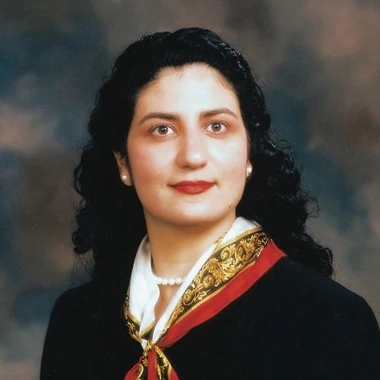
Natalie Afshari, MD,
PRESIDENT
Dr. Natalie Afshari is an internationally recognized ophthalmologist and leader in cornea and refractive surgery. She is Professor of Ophthalmology and Director of the Cornea and Refractive Surgery Division at the Shiley Eye Institute, University of California, San Diego.
As President of CCOI, Dr. Afshari advances global collaboration among regulators, clinicians, and industry to drive consensus on clinical endpoints and accelerate ophthalmic innovation.
She has held leadership roles with the American Academy of Ophthalmology and the International Society of Refractive Surgery. Her work reflects a deep commitment to education, global collaboration, and the advancement of clinical and regulatory science.
Joel S. Schuman, MD, FACS,
PAST PRESIDENT
Chair of Personally Identifiable Information/ Protected Health Information Working Group
Dr. Schuman is the Elaine Langone Professor of Ophthalmology and Professor of Neuroscience and Physiology, Biomedical Engineering, Electrical & Computer Engineering and Neural Science at NYU. He chaired the ophthalmology department at NYU 2016–2020 and at the University of Pittsburgh/UPMC 2003–2016. At Tufts University 1991–2003 he was Residency Director and Glaucoma and Cataract Service Chief.
Dr. Schuman and his colleagues were the first to identify a molecular marker for human glaucoma, published in Nature Medicine in 2001. Continuously funded by the National Eye Institute as a principal investigator since 1995, he is an inventor of optical coherence tomography (OCT), used worldwide for ocular diagnostics.
Dr. Schuman has published more than 400 peer-reviewed scientific journal articles. Dr. Schuman has received numerous awards and is a 2012 Champalimaud Award Laureate.
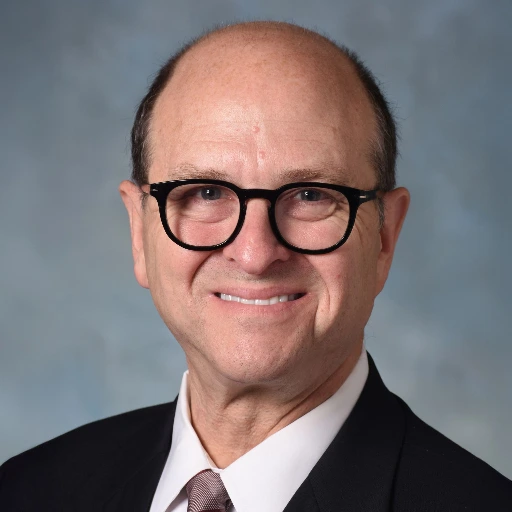
Kenneth L. Roper, MD Endowed Chair and Professor of Ophthalmology, Vice Chair for Research Innovation, Co-Director, Glaucoma Service, Wills Eye Hospital Thomas Jefferson University, Professor of Biomedical Engineering, Drexel University School of Biomedical Engineering, Science and Health Systems
Mark Blumenkranz, MD MMS, FOUNDING PRESIDENT
Dr. Blumenkranz is H.J. Smead Professor Emeritus in the Department of Ophthalmology at Stanford University and a Co-Director of the Stanford Ophthalmic Innovation Program. He served as the Ophthalmology Department Chair at Stanford from 1997 – 2015, played a leading role in the planning, fundraising and construction of the Byers Eye Institute at Stanford and was its inaugural Director. He has served as the President of the Retina Society, the Macula Society, the American University Professors of Ophthalmology (AUPO) and the Collaborative Community in Ophthalmic Innovation.
He has received multiple awards for his contributions including the Albion Hewlett Award from Stanford Medicine and the Edward Jackson Memorial Award Lecture from the American Academy of Ophthalmology amongst others.
Dr. Blumenkranz was an early innovator in microsurgical techniques, laser instrumentation and tissue interactions, intraocular drug injections for retinal disease, digital ophthalmic health tools, and gene therapy for retinal and macular diseases. He was a founder and member of the Board of Directors of Optimedica Corporation, Peak Surgical, Verana Health, Kedalion Therapeutics and Adverum Biotechnologies amongst others. He also served on the boards of One Medical Iveric Bio and Oculex in the past. He currently serves on the Boards of BVI Surgical, Peripherex, Salution Health and RetiNova Therapeutics.
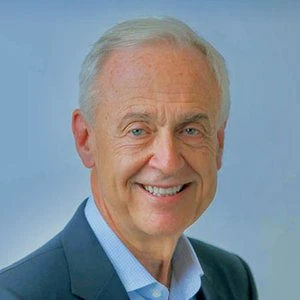
HJ Smead Professor Emeritus, Co-Director of the Ophthalmic Innovation Program, Byers Eye Institute, Stanford University School of Medicine
Aaron Lee, MD,
VICE PRESIDENT
Aaron Y. Lee MD MSCI is a vitreoretinal surgeon and the Chair of the John F. Hardesty Department of Ophthalmology and Visual Sciences at Washington University in St. Louis, and Arthur W. Stickle Distinguished Professor of Ophthalmology. He completed his undergraduate at Harvard University and his medical training at Washington University. He chairs the American Academy of Ophthalmology Information Technology Steering Committee and serves on the editorial boards for several prestigious journals. Dr. Lee has published over 250 peer-reviewed manuscripts and is known as a leader in the field of artificial intelligence and ophthalmology. He leads one of the four data generation projects in the NIH Bridge2AI program to create a flagship dataset for studying salutogenesis in Type 2 Diabetes.
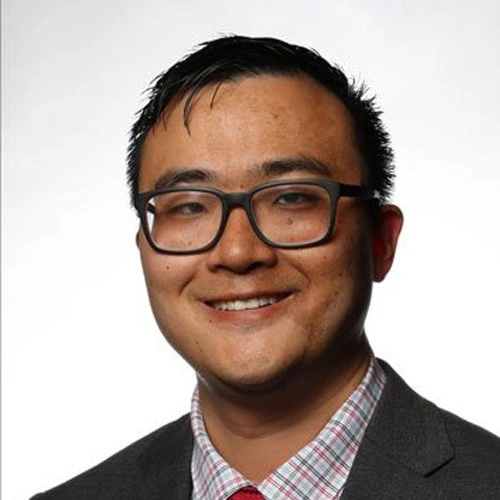
Michael Abramoff, MD, PhD, Treasurer
Chair of Foundational Principles of Artificial Intelligence Working Group
Dr. Abramoff is an American ophthalmologist, computer scientist, and entrepreneur. He is the Founder and CEO of Digital Diagnostics (formerly IDx), the first company ever to receive US FDA clearance for an autonomous AI system. In this capacity, as an expert on AI in healthcare, he has been invited to brief the US Congress, the White House, and the Federal Trade Commission.
Dr. Abramoff has published over 250 peer-reviewed journal papers (h-index 54) on AI, image analysis, and retinal diseases, and many book chapters. In 2010,
Dr. Abramoff’s research findings led him to found IDx to bring to patients more accessible, affordable, and higher quality healthcare.
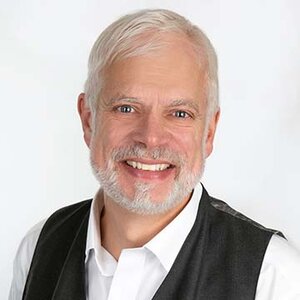
Robert Watzke Professor in Retina Research and Electrical and Computer Engineering, University of Iowa School of Medicine, Founder and Executive Chairman, Digital Diagnostics (formerly IDx)
Ted Stiefel, CFO
Ted Stiefel is finance executive, overseeing accounting, financial operations, and strategic planning. He drives forecasting, capital allocation, and performance management to support high-growth companies.
Ted has led finance teams across SaaS, biotech, private equity, and real estate. A CPA with an MBA in Finance & Entrepreneurship from San Diego State University, he blends technical expertise with strategic insight to scale companies during rapid growth.

Don Calogero, MSE, Director of Standards Strategy
Don has 35 years’ experience developing clinical and non-clinical ISO and ANSI standards for ophthalmic implant devices and has served as chairman of multiple clinical and non-clinical standards. He has led a World Health Organization (WHO) effort to publish guidelines for the manufacture of IOLs in developing countries.
Don has review experience performing high level IOL clinical study design evaluations for consistency with FDA recognized standards, determining clinical requirements/ non-clinical testing associated with IOL design modifications, and evaluating specular microscopy data in IOL and MIGS device studies. He earned his Master of Science in Biomedical Engineering from SUNY at Stony Brook.
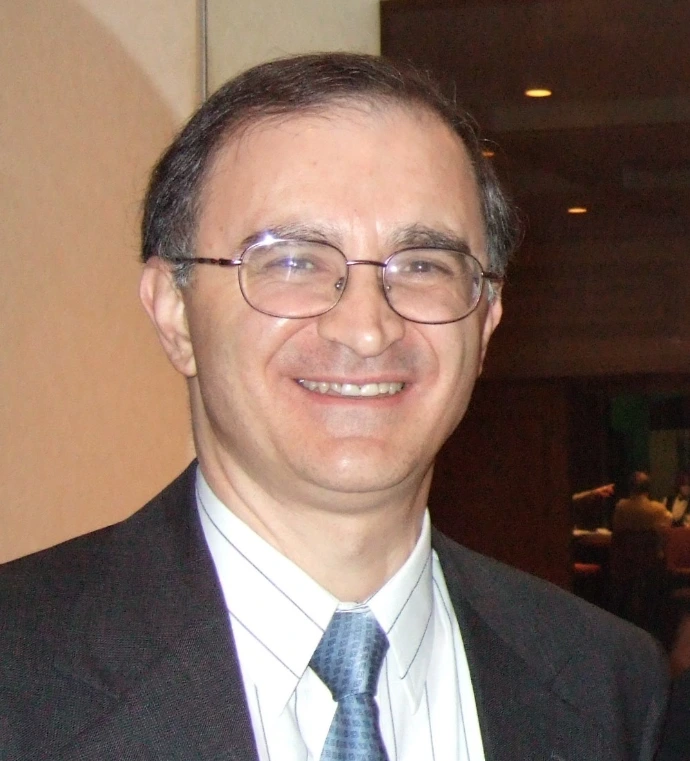
Biomedical Engineer who served as a senior reviewer and lead reviewer in the ophthalmic implants branch of the FDA/CDRH Division of Ophthalmic Devices for 44 years.